2013
The Snowden files
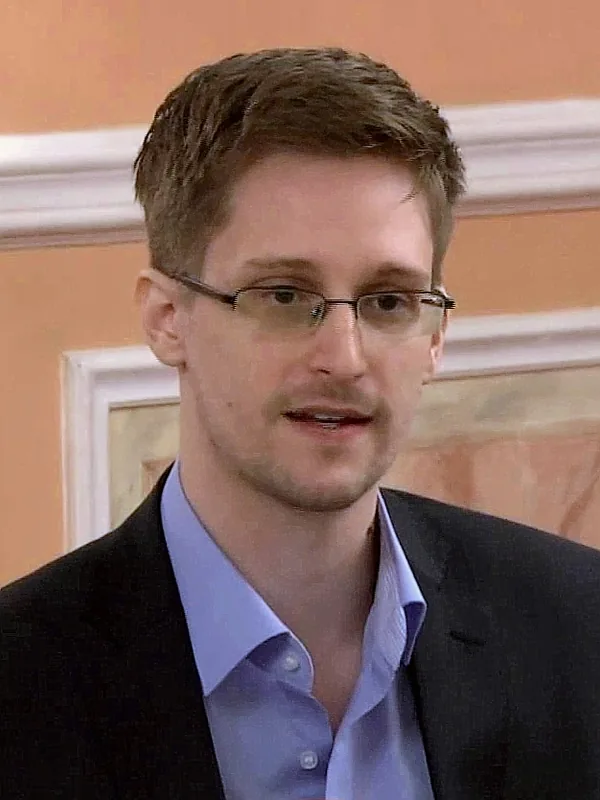
The first document out was a court order signed in April 2013, telling one phone company to give the NSA a record of every call it carried, calls made wholly inside the United States included, and to keep doing it daily. That was the point the 29-year-old contractor who took the files out of Hawaii had come to make: the collection was of everybody rather than of suspects, and the secret court authorising it had granted about 33,900 applications between 1979 and 2012 and refused eleven. The programmes came after, PRISM taking mail, chats and photographs from nine companies for around $20 million a year. He asked the reporters to print his name, said he did not want to live in a world where everything he did and said was recorded, and has been in Russia since. What stayed was not the spying but the premise beneath it, that being nobody in particular had stopped being a reason to be left alone.
Source: Wikipedia
The film, word for word
Snowden said the NSA was spying on Americans. Was he right?
Senator Ron Wyden asked America's spy chief if the NSA collects data...
“on millions or hundreds of millions of Americans? No, sir.”
Three months later, a contractor leaked the proof. Edward Snowden:
“even if you're not doing anything wrong, you're being watched and recorded,”
Hero, then?
Espionage charges. Exile in Russia. The spy chief got nothing. Seven years later, a court ruled the program illegal. One Reddit reply: "What are they going to do? Sue themselves?"
Did it stop?
It grew. Europe's Chat Control lets apps scan private chats. In March, Parliament voted no. In July, again: three hundred fourteen no, two hundred seventy-six yes. It passed.
It passed?
Absent counted as yes. America got Flock: twenty billion license plate scans a month. So people started sawing them down, on TikTok. Flock's CEO:
“they're also committing a felony.”
Was he right?
Snowden, twenty thirteen:
“the years ahead, it's only gonna get worse”