
1985-2026
The median American home
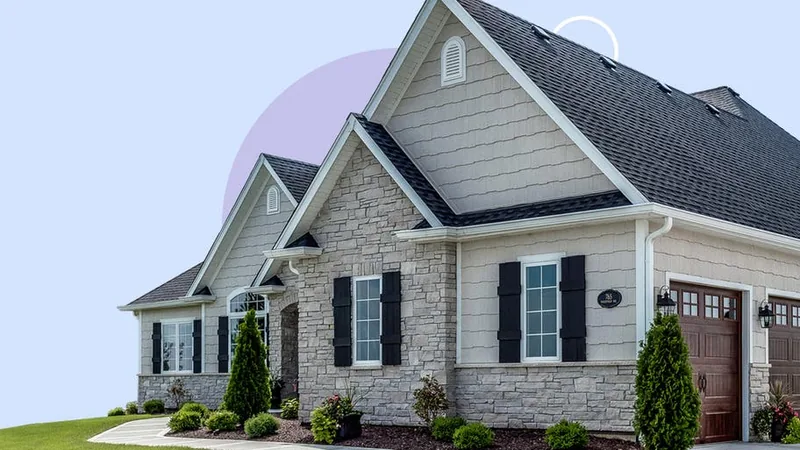
Nobody built this house and nobody lives in it. Line up every previously owned home that sold in America in July 2026 and walk to the one in the middle: half of them cost more, half cost less. That one sold for $434,100, the 37th month in a row that the middle price had come in above the year before. The middle American household earned $83,730 in 2024, the most recent year counted, so the house costs a little over five times what that household takes in over a year. In 1985 the same two numbers were $75,500 and $23,620, which is a little over three. The typical first-time buyer was forty years old in 2025, the oldest on record, and for most people standing in front of this one it is the least reachable thing on the wall.
Source: Bankrate
The film, word for word
Five years of pay for a basic house? Who's buying them?
Not first-timers. In the nineties, it was three years. Now first-time buyers are forty, the oldest on record. Sam Hart asked TikTok:
“Okay, so I'm just checking. We're all unable to buy a house right now, right?”
Should've bought one at five.
A property millionaire had a better idea. Tim Gurner:
“When I was trying to buy my first home, I wasn't buying smashed avocados for 19 bucks and four coffees at $4.”
It's the toast?
The internet dug up his start: a loan from Grandpa. Then it found a villain: Wall Street. Big firms own two percent of America's rented houses; in Atlanta, a quarter. Renters? Half spend over thirty percent of their income on housing. Jimmy McMillan, twenty ten:
“You said it: the rent is too damn high.”
Still?
Higher. Rates went from under three percent to almost eight. The White House's fix: fifty-year mortgages. Buy at forty, done at ninety. Then the President picked a side:
“I want to drive housing prices up for people that own their homes.”
So who's buying?
People who already own one.